
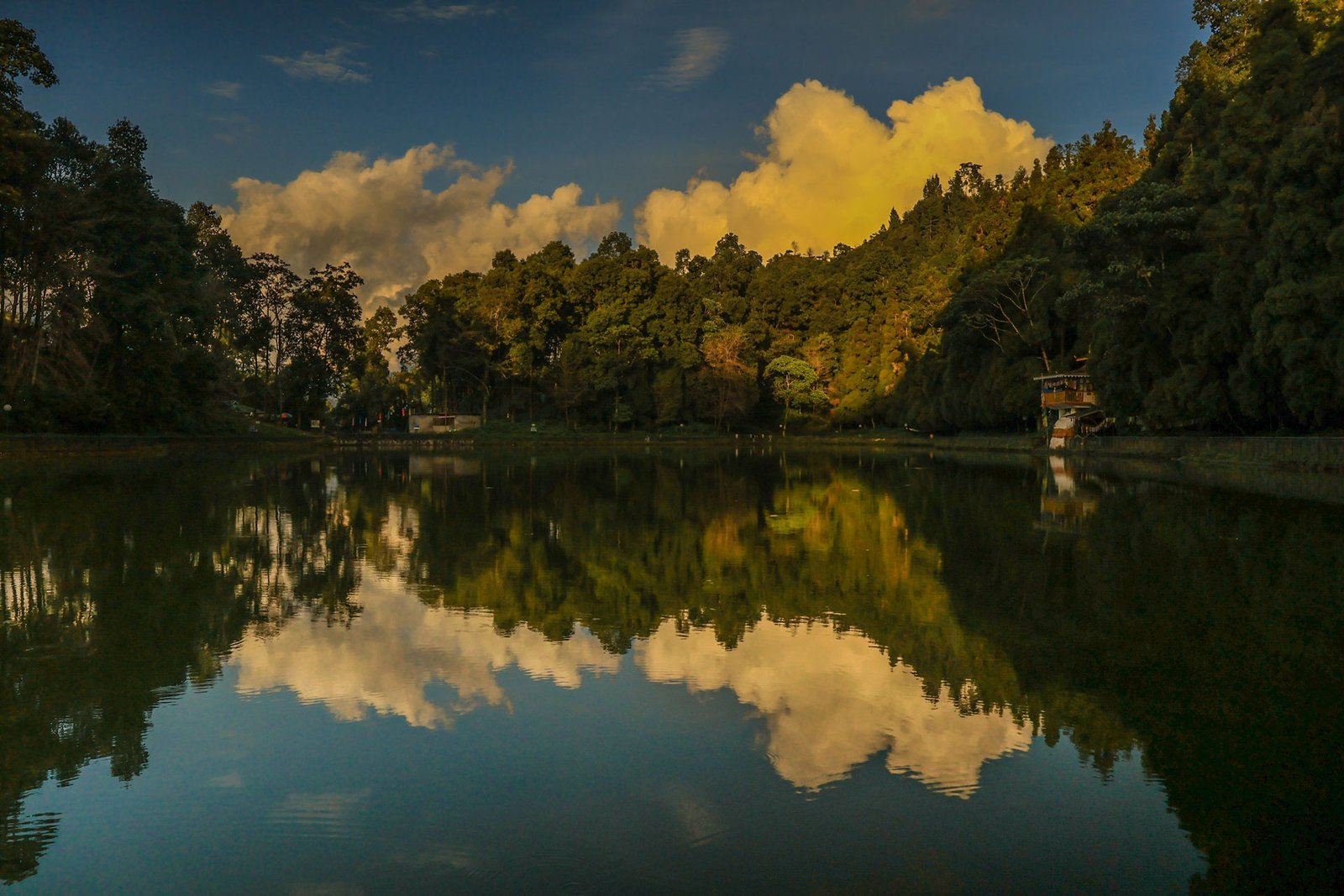
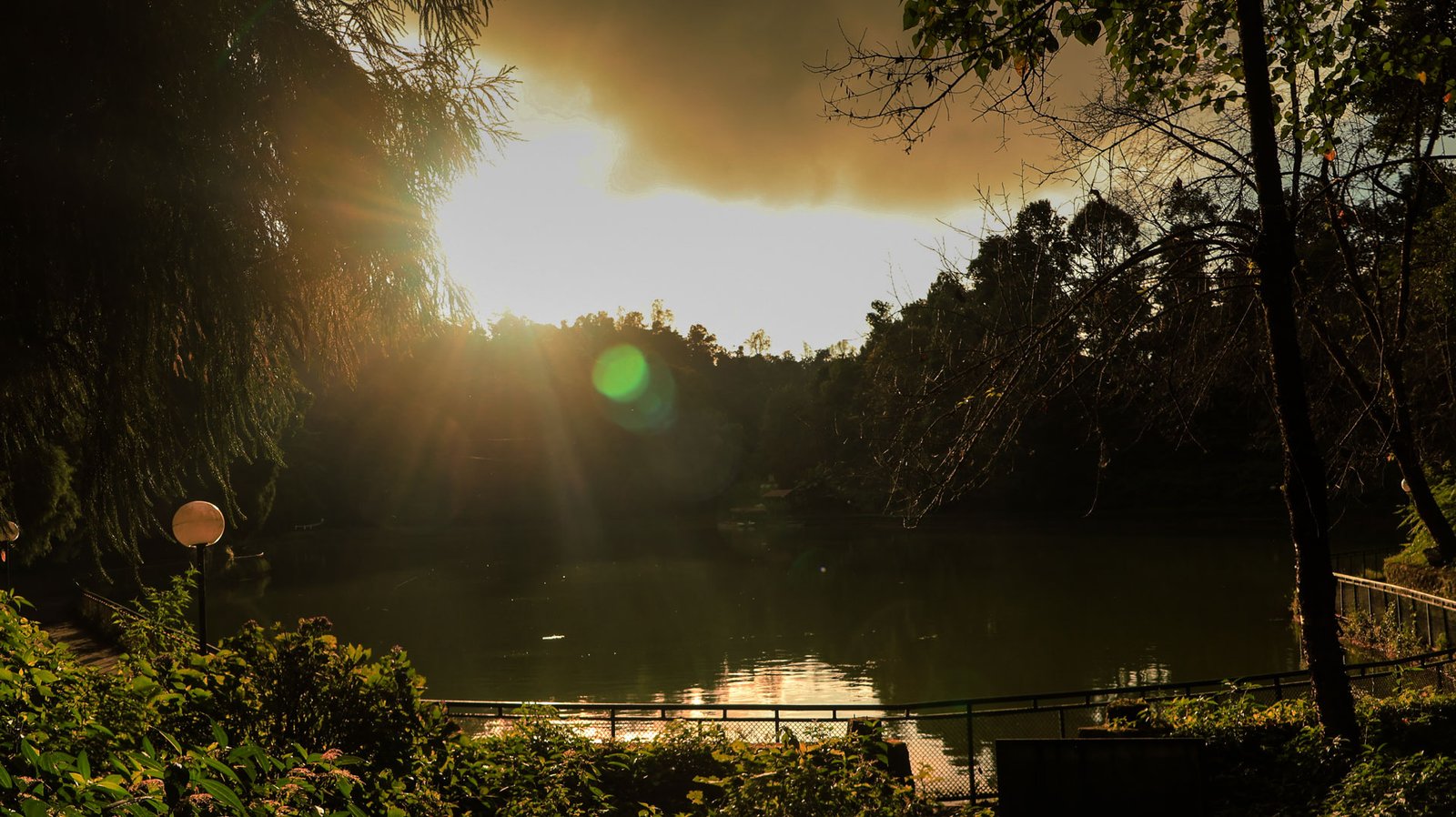
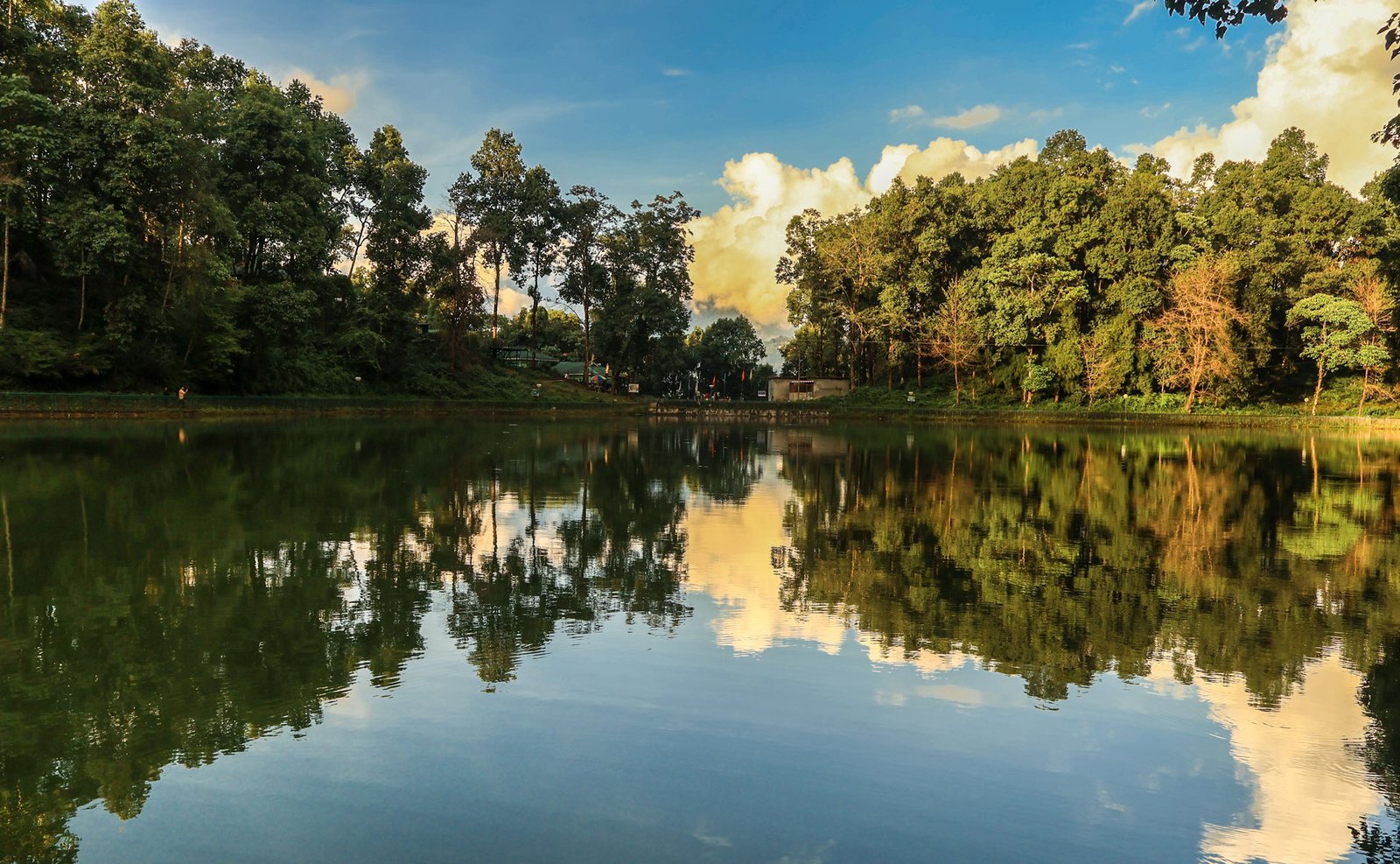
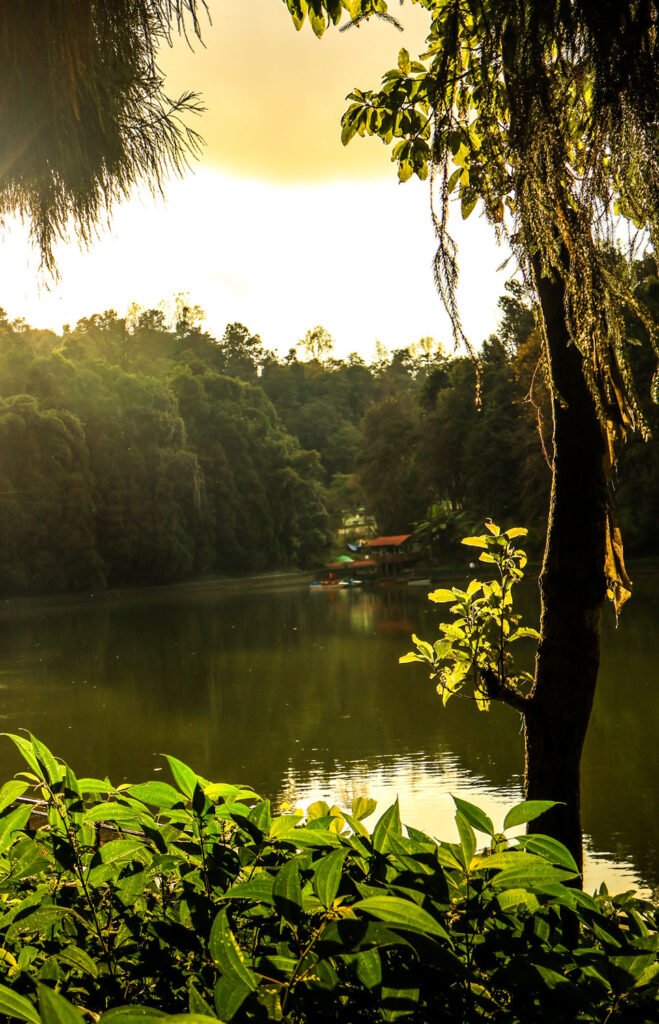
Lampokhari is one of the oldest lake natural lake in East Sikkim,which is elevated at an altitude of approximately 4600 m . It is also known as Aritar Lake (Aritar Lampokhari Lake). This lake falls on Pakyong District of East Sikkim. It is a beautiful lake surrounded by pine trees and wooden huts. Moreover it is avery peaceful place with cold soft winds.
Geological origin & Early Natural State
Long before human intervention, the lake formed naturally through glacial melt-water, runoff and natural drainage from the surrounding pine forest and from Mamkhim hilltop.
” Historically local knew the lake as Lampokhari a Nepali word combining “Lamo”(long) and Pokhari (Lake)
Indigenous Reverence & Sacred Heritage
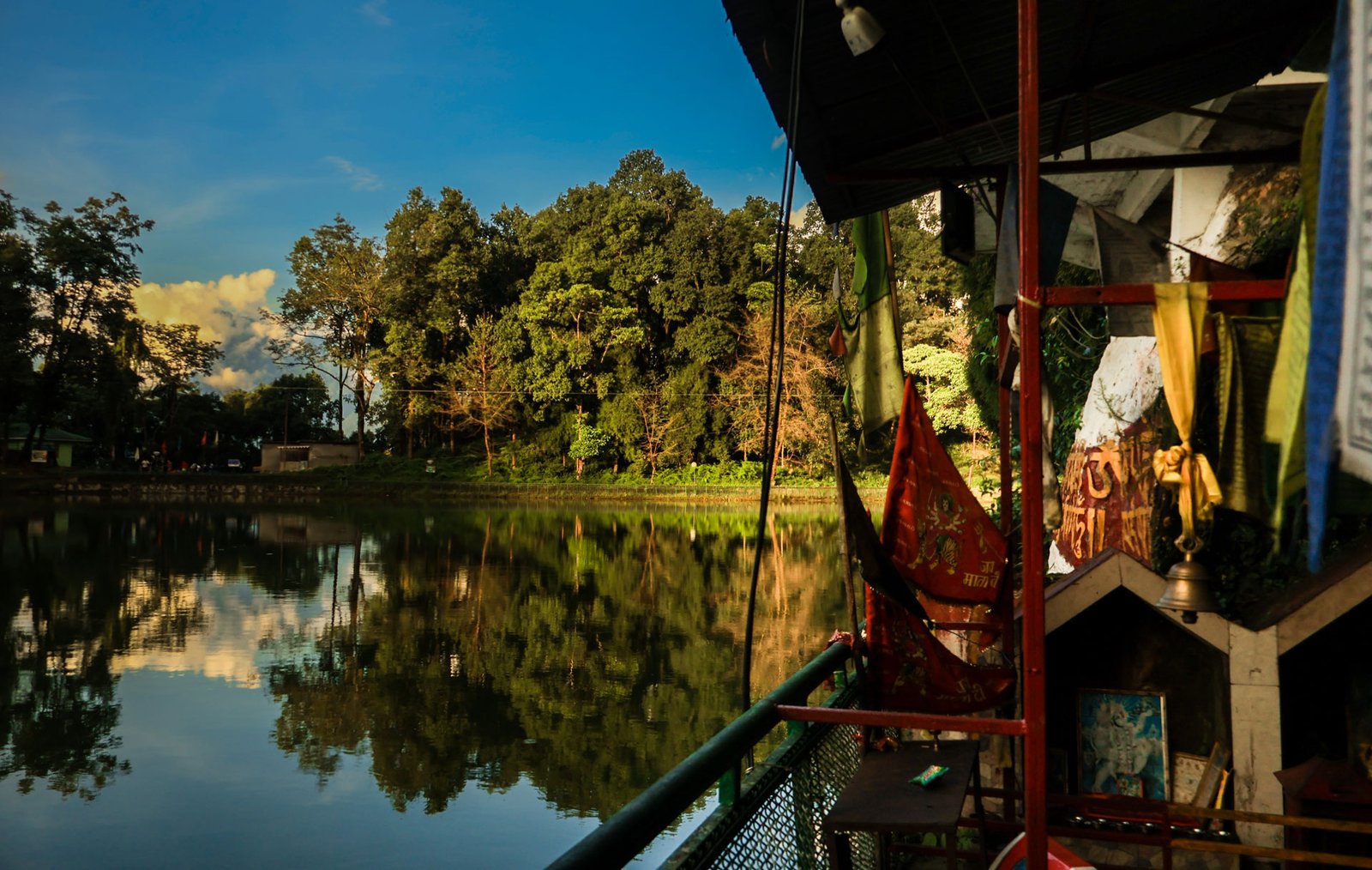
Before becoming a tourism hub, Aritar Lake was a sacred natural site for local indigenous communities.
- Religious Landmark : Over generations, local people established small prayer sites along its shores. Among these is a shrine dedicated to Guru Padmasambhava (Guru Rinpoche).
- Mankhim Hilltop Connection : Just above the lake lies Mankhim Peak. Here, the indigenous Rai community built an ancient temple to worship nature, Lord Shiva, and natural elements.
British Colonial Era the Silk Route ( Late 19 century)
- During the late 19th century under the Chogyal Kingdom, Aritar (Aritar Lampokhari Lake) and its lower ridges served as a crucial mid-altitude staging point along feeder branches of the historic Old Silk Route. For instance, traders traveling through the region stopped here to rest before tackling high mountain passes like Jelep-la and Nathula Pass.
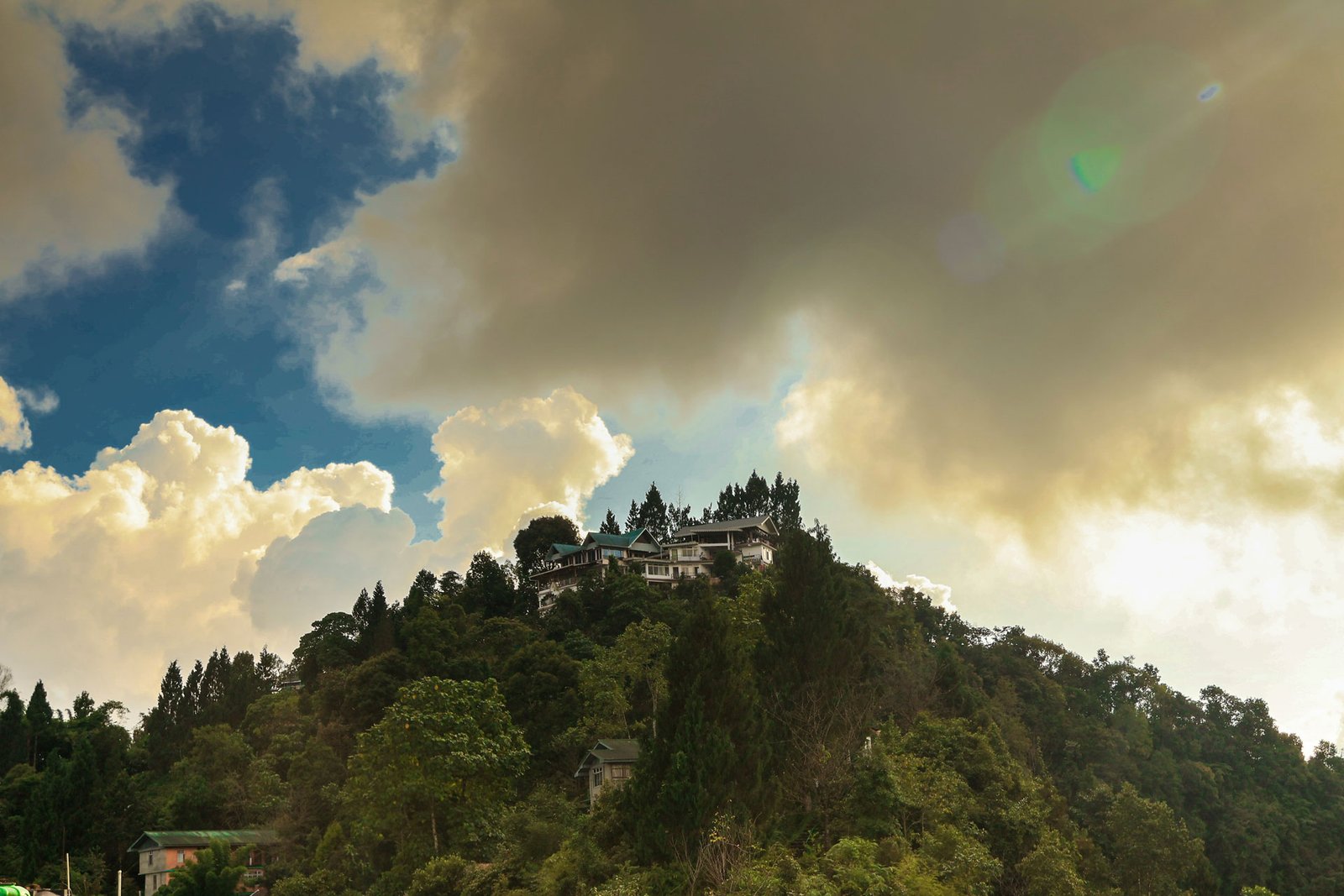
- In addition, between 1895 and 1896, Sir James Claude White established the historic Aritar Dak Bungalow on a ridge near Lampokhari. As a result, British officers, trade commissioners, and frontier patrols stayed at this site, which firmly placed Aritar on the administrative map of Eastern Sikkim.
Eco- Restoration and Modern Transformation (2000s)
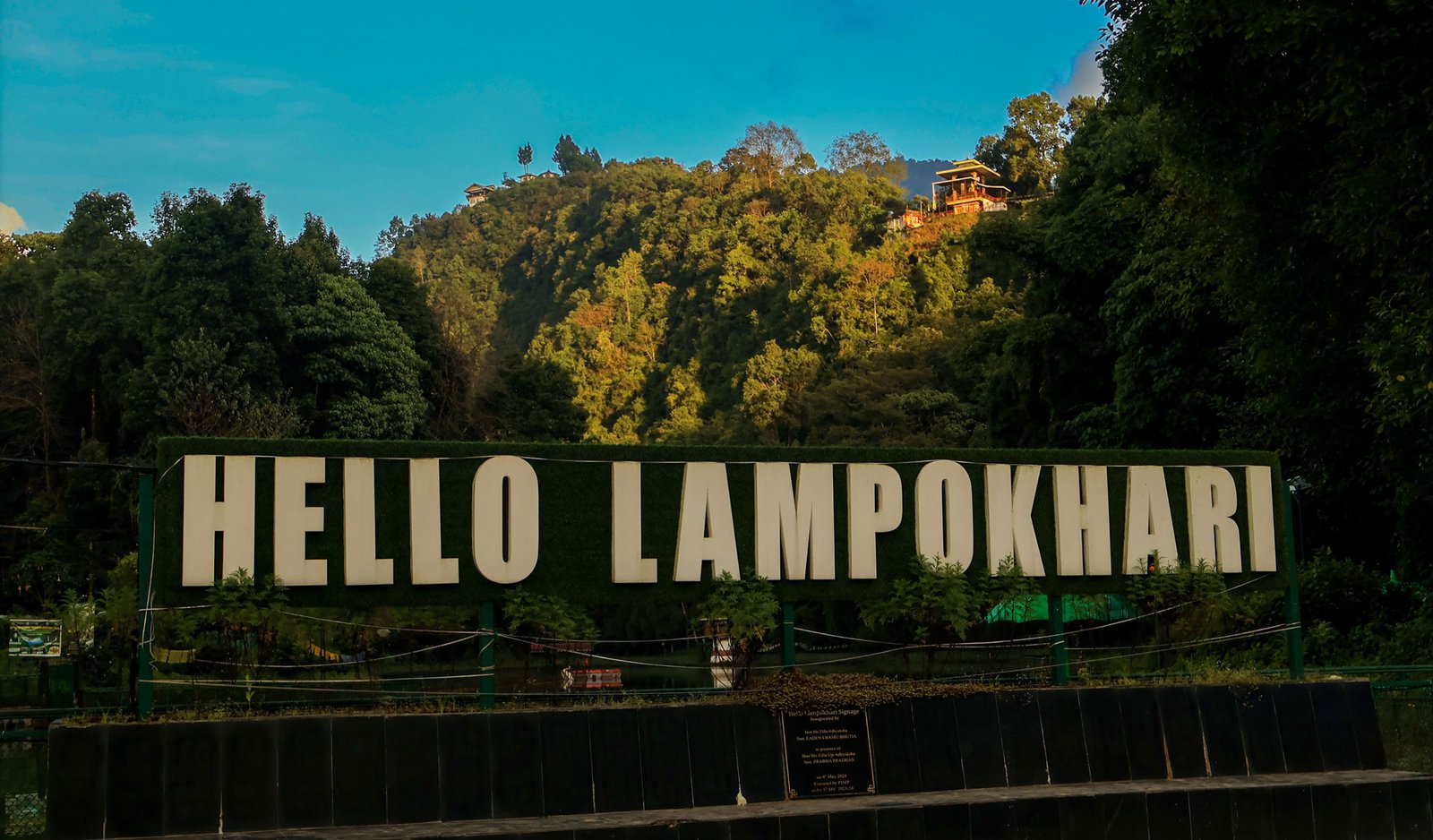
By the late 20th century, Lampokhari (Aritar Lampokhari Lake) was a muddy, silt-filled wetland. Soil erosion and decaying forest debris choked the water. In the early 2000 s, the Government of Sikkim and local tourism committees began an Eco-restoration project.
- Desilting and Embankments: Workers carefully desilted the lake bed. As a result, they built stone embankments along the banks, which stabilized the water level while maintaining its unique boot shape.
- Creation of the Promenade: A 1 km paved walking trail now runs around the perimeter. Visitors can walk beneath the pine canopy without damaging the lake banks.
- Boating: Local authorities introduced paddle boats here. This made Lampokhari the first high-altitude lake in Sikkim to permit boating.
- Present-Day Cultural Legacy: Today, Lampokhari serves as a successful model of community-managed eco-tourism. Every spring, the grounds host the Lampokhari Tourism Festival. The event features folk musicians, traditional Sikkimese food stalls, and ethnic flower exhibitions. It remains a major cultural hub in Pakyong District, East Sikkim.
Key features and Highlights of Aritar Lampokhari Lake
- Entry Fee : The entry fee is ₹20 per person. Parking charges are ₹10 for a two-wheeler, ₹50 for a four-wheeler, and ₹100 for a bus.
Lake Activities & Adventure
- Boating: Paddle boats are available for visitors to enjoy a ride across the lake. Surrounded by lush pine trees, you can watch fish swimming beneath the surface and ducks playing in the water, making it a great spot for taking photos. It will cost ₹250 per person.
- Ziplining : If you are adventurous or want to overcome a fear of heights, try ziplining across the lake. For instance, it allows you to overcome a fear of heights in safe environment. Set at a moderate height, the cable lets you glide smoothly from one end of the lake to another. As a result, you get stunning aerial views of the water. In addition, landing among the surrounding pine trees makes for a memorable, budget-friendly experience.
Nearby Attractions & Viewpoints (Aritar Lampokhari Lake)
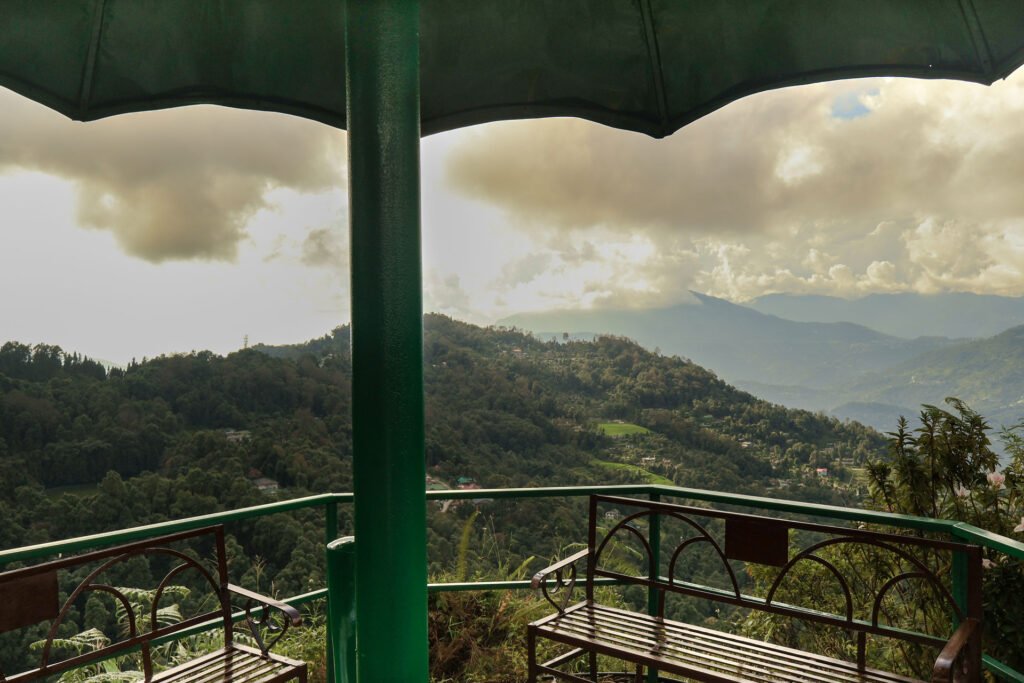
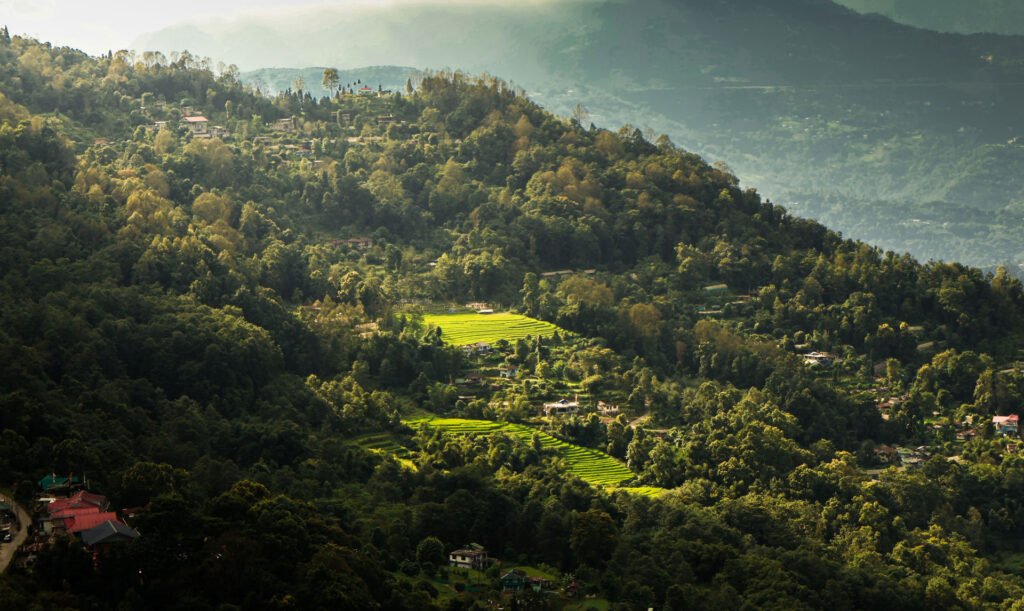
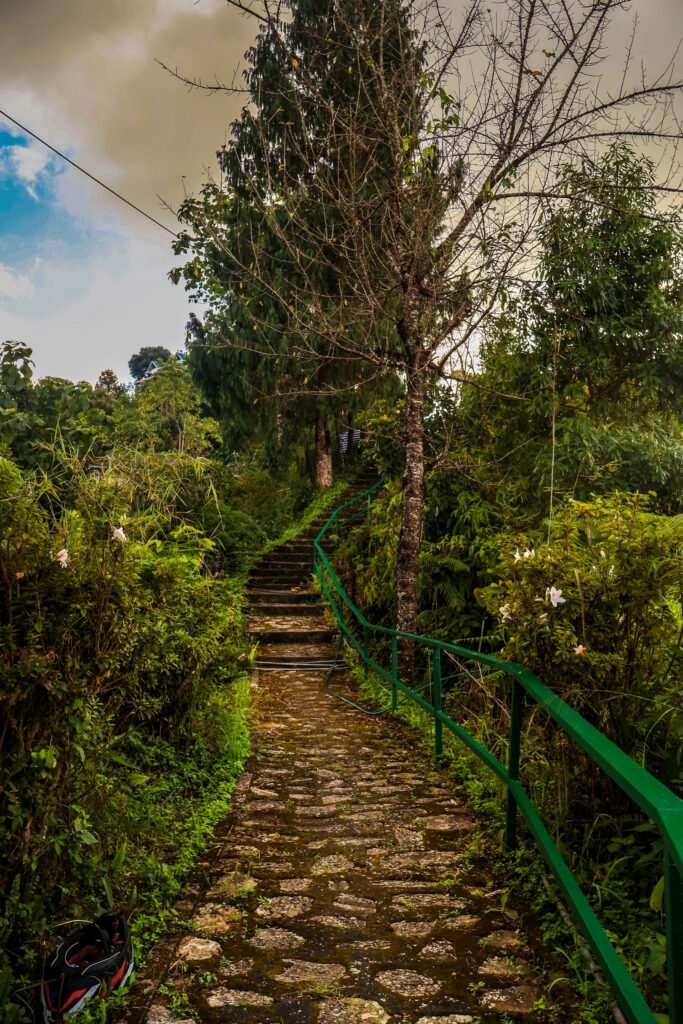
- Hiking: If you love trekking, take the stone-carved steps up to Mankhim hilltop. The trail winds through dense forest for about 30 minutes. From the top, you can enjoy panoramic views of Mt. Kanchenjunga and the Eastern Himalayas. Furthermore, the surrounding landscape remains breathtaking even on cloudy days. A summit gazebo offers a great vantage point to admire Aritar Lake from above. Consequently, the climb is well worth the effort for both beginners and experienced trekkers.
- Mankhim Hilltop : Located just above the viewpoint, this serene temple built by the indigenous Rai community offers a glimpse into local traditions alongside a spectacular 360 degree panoramic view of the Eastern Himalayas. On clear days, you can even trace parts of the historic Old Silk Route winding through the mountains.
- Guru Rinpoche Statue & Sunset Viewpoint: Nearby Mankhim hilltop stands a peaceful Gumpa featuring a grand statue of Guru Rinpoche facing Mt. Kanchenjunga, looking like a guardian over the hills. Additionally, it is an exceptional spot for photography. Specifically, the site offers spectacular views during dawn and sunset when the sky turns a vibrant crimson red. Overall, visiting this viewpoint provides an unforgettable cultural and visual experience.
How to reach Aritar Lampokhari lake
- Nearest Airport: Pakyong Airport (40 km / 1.5–2 hrs) | Bagdogra Airport (115 km / 4–5 hrs)
- Nearest Railway Station: New Jalpaiguri / NJP (110 km / 4–5 hrs)
- Nearest Taxi Stand: Rhenock (6 km / 25–30 mins). Shared cabs to Aritar are readily available from here for approximately ₹100 per person.
Enjoyed discovering Aritar Lampokhari Lake? East Sikkim is packed with breathtaking mountain landscapes, ancient monasteries, and historic Silk Route stops just a short drive away.
Continue your journey across the region by exploring these nearby